
Hey everyone! Are you constantly thinking about making a tangible difference in our world? With the accelerating climate crisis and a global push towards sustainability, it’s no secret that the environmental sector is absolutely buzzing right now, offering some of the most impactful career paths out there.
I’ve personally witnessed this field evolve from niche compliance to a powerhouse of innovation, driving everything from corporate ESG goals to the circular economy.
Landing that dream role, especially as an Environmental Manager, might seem like a huge hurdle, but trust me, it’s more achievable than you think, and incredibly rewarding.
We all know that feeling of wanting a career that truly matters, and this journey absolutely delivers. Today, I’m thrilled to share an extraordinary success story that really brings to life what it takes to not just get into this vital industry, but to truly thrive and lead change.
This isn’t just about a job; it’s about a purpose-driven career that contributes directly to a healthier planet for all of us. You’ll definitely want to stick around for this one, as it’s packed with insights.
Let’s uncover all the exciting details right here!
Embracing the Green Wave: Why Environmental Management is Your Next Big Move
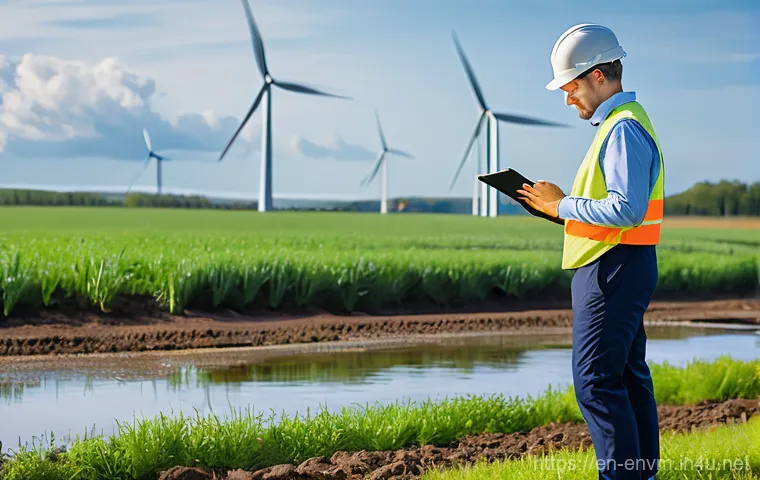
Honestly, the environmental sector isn’t just “growing” anymore; it’s absolutely exploding with opportunities for those of us eager to make a genuine difference. I’ve been watching this space for years, from when it felt like a niche area focused purely on compliance to what it is today: a vibrant, innovative powerhouse at the forefront of global change. We’re talking about careers that directly tackle the climate crisis, champion sustainable practices, and shape the future of industries from tech to manufacturing. It’s a truly exhilarating time to be involved! The demand for skilled environmental managers is stronger than ever, driven by increasing public awareness, stricter regulations, and corporate commitments to ESG (Environmental, Social, and Governance) goals. Companies are realizing that sustainability isn’t just a buzzword; it’s essential for long-term success and reputation. This means more diverse roles, better compensation, and a chance to truly lead transformation within organizations. If you’ve ever dreamt of a career that feels purposeful and genuinely impactful, trust me, this is where you need to be looking. The satisfaction of knowing your work contributes to a healthier planet? Priceless.
The Surging Demand for Green Professionals
It’s no secret that the world is finally waking up to the urgency of environmental stewardship. This awakening isn’t just ethical; it’s economic, with consumers actively seeking out sustainable brands and investors prioritizing companies with strong ESG performance. This shift has created an unprecedented demand for environmental professionals. From my observations, this isn’t a temporary trend; it’s a fundamental change in how businesses operate. The job market reflects this, with projections showing significant growth for environmental management roles over the next decade. We’re seeing estimates of thousands of new jobs being created, and honestly, sometimes it feels like there aren’t enough qualified people to fill them all! This surge isn’t limited to specific industries either; it’s pervasive, creating opportunities across consulting, government, corporate sustainability, and even emerging fields like green finance. It means more options for you, and a greater chance to find a role that perfectly aligns with your passion.
Beyond Compliance: Shaping Sustainable Futures
While regulatory compliance will always be a cornerstone of environmental management, today’s roles go far beyond just checking boxes. We’re now tasked with developing proactive sustainability strategies, integrating environmental considerations into core business operations, and driving innovation. I’ve personally seen how environmental managers transition from being seen as “cost centers” to becoming vital strategic advisors, influencing everything from product design to supply chain logistics. This involves a deep understanding of sustainability strategy development, data analysis, and even green finance. It’s about vision, leadership, and the ability to inspire change from within. The work is challenging, no doubt, but the reward of seeing a company shift towards more responsible practices because of your efforts? That’s the real magic.
Cultivating Your Edge: Essential Skills for Environmental Leadership
When I first started out, it felt like a maze trying to figure out what skills truly mattered. But after years in the trenches, I can tell you that while technical knowledge is fundamental, it’s the blend of hard and soft skills that truly sets environmental leaders apart. Think about it: you can know every regulation by heart, but if you can’t communicate its importance or influence stakeholders, your impact will be limited. It’s about being a master problem-solver, a savvy communicator, and a strategic thinker all rolled into one. I’ve seen countless individuals with passion but lacking practical skills struggle, and conversely, those who continually invest in sharpening their abilities rise to the top. The good news is, many of these skills can be honed through dedication and intentional learning, often outside of traditional academic settings.
Navigating Regulations and Compliance with Finesse
At its core, environmental management is deeply intertwined with a thorough understanding of environmental laws, standards, and best practices. From the Clean Air Act to local waste disposal ordinances, knowing the regulatory landscape is non-negotiable. But it’s not just about memorization; it’s about interpretation and application. I’ve often found myself explaining complex legal jargon to engineers or marketing teams, translating “compliance” into actionable steps that benefit both the environment and the business. Keeping up with constantly evolving regulations is a continuous learning process, which is why I always recommend staying subscribed to industry updates and even considering certifications like ISO 14001, which really show your commitment to best practices. This mastery allows you to identify risks, prevent costly penalties, and proactively guide your organization toward responsible operations.
The Power of Data and Strategic Thinking
In today’s environmental sector, data is king. We’re moving beyond anecdotal evidence to hard numbers, using data analysis to assess environmental impacts, track progress, and inform strategic decisions. From analyzing carbon footprints to evaluating resource consumption, the ability to collect, interpret, and present data effectively is paramount. I remember a project where we used detailed waste generation data to redesign a manufacturing process, leading to a significant reduction in landfill waste and, surprisingly, cost savings! This isn’t just about spreadsheets; it’s about critical thinking—asking the right questions, identifying patterns, and using insights to drive meaningful change. Proficiency in spatial analysis tools and environmental simulation software is becoming highly desirable, too, so definitely keep an eye on those emerging technologies.
Building an Unstoppable Profile: Education and Certifications
When I think about what truly catapulted my career, it wasn’t just my degree; it was the continuous pursuit of knowledge and the strategic acquisition of certifications that aligned with industry needs. Education provides the foundational understanding, but certifications are your badges of honor, demonstrating specialized expertise and a proactive approach to professional development. Employers today are looking for candidates who are not just knowledgeable, but also adaptable and committed to lifelong learning. I’ve personally witnessed how a well-chosen certification can open doors that a general degree alone might not, giving you a competitive edge in a crowded market. It shows that you’re serious about your craft and ready to tackle specific challenges head-on.
Academic Foundations and Specialized Learning
While there isn’t one single “correct” degree, a background in environmental science, engineering, sustainability, or a related field is typically a strong starting point. What’s crucial is gaining a solid understanding of ecological principles, environmental policy, and the scientific methodologies used to assess impacts. Many universities now offer specialized environmental management programs, which I’ve found incredibly valuable for providing a holistic perspective. These programs often combine scientific rigor with business acumen, teaching you how to translate environmental goals into actionable corporate strategies. Remember, the goal isn’t just to learn facts, but to develop the critical thinking and problem-solving skills that are essential for tackling complex environmental challenges.
The Value of Professional Certifications
If you want to stand out, professional certifications are an absolute game-changer. They validate your expertise in specific areas and often provide practical knowledge that goes beyond academic theory. I’ve seen firsthand how certifications in areas like Environmental Impact Assessment (EIA), Energy Management, or Sustainability Reporting can instantly boost a candidate’s credibility. For example, an ISO 14001 certification isn’t just a piece of paper; it signifies a deep understanding of environmental management systems and a commitment to continuous improvement. These aren’t just for individual bragging rights either; many companies actively seek certified professionals to ensure they meet legal requirements, gain market access, and enhance their operational efficiency.
Beyond the Classroom: Real-World Experience and Networking
Let me tell you, theory only gets you so far. The real magic happens when you get your hands dirty, apply what you’ve learned, and start building connections. My career truly took off when I stopped just reading about environmental issues and started engaging with them directly. Internships, volunteer work, and entry-level positions aren’t just stepping stones; they’re invaluable learning opportunities that teach you the nuances of the field that no textbook ever could. Plus, the environmental community is incredibly collaborative, and building a strong network has been absolutely vital for my professional growth. It’s about showing initiative, proving your capabilities, and forging relationships that can open doors you never even knew existed.
Gaining Practical Experience That Matters
Entry-level experience is non-negotiable, and honestly, every little bit counts. Whether it’s an internship, a volunteer role with a local environmental NGO, or even a smaller role in an environmental health and safety (EHS) department, these experiences are gold. They provide a taste of what a day in the life of an environmental professional truly entails, helping you confirm your passion and discover your niche. I started with a small consulting firm, conducting site assessments and data collection, and those early experiences taught me more than I could have imagined about the practicalities of environmental compliance and project management. Look for opportunities where you can apply your technical skills, develop your problem-solving abilities, and learn directly from seasoned professionals.
The Power of Professional Connections
Networking isn’t just about swapping business cards; it’s about building genuine relationships with people who share your passion. I’ve found that attending industry conferences, workshops, and local environmental group meetings has been incredibly beneficial. You get to learn about emerging trends, discover new technologies, and, most importantly, connect with potential mentors and future colleagues. Sometimes, the best job opportunities aren’t advertised; they come through someone you know who heard about an opening or saw a fit for your skills. Don’t be shy – introduce yourself, ask thoughtful questions, and follow up. You never know where a casual conversation might lead, and I’ve seen some incredible collaborations blossom from these connections.
Navigating the Interview Maze: Standing Out in the Green Economy
You’ve got the skills, the experience, and the passion. Now, how do you make sure that translates into landing that dream job? A compelling resume and a standout interview performance are your tickets in. I’ve been on both sides of the hiring table, and I can tell you that employers are looking for more than just qualifications; they’re looking for fit, enthusiasm, and a clear understanding of the challenges and opportunities within their specific organization. This isn’t just about listing your accomplishments; it’s about weaving a narrative that shows why you are the absolute best person to help them achieve their environmental goals. It’s your chance to shine and show them the real, passionate you.
Crafting a Resume That Commands Attention
Your resume isn’t just a list of past jobs; it’s a marketing document that highlights your most relevant skills and achievements. For environmental management roles, emphasize your experience with regulatory compliance, project management, data analysis, and any specific environmental software or certifications you possess. Quantify your accomplishments whenever possible: “Reduced waste by 15%,” “Managed compliance for 20+ sites,” or “Developed a sustainability report that improved ESG rating.” Tailor your resume to each job description, using keywords from the posting. I also suggest including a strong summary statement at the top that immediately grabs attention and articulates your unique value proposition. Remember, recruiters spend mere seconds scanning resumes, so make those seconds count!
Mastering the Interview: Showcasing Your Passion and Expertise

Interviews are your opportunity to bring your resume to life. Research the company thoroughly – their sustainability initiatives, recent environmental news, and any specific challenges they might be facing. Be ready to discuss your experience with real-world scenarios, demonstrating your problem-solving approach and ability to collaborate. Don’t be afraid to show your genuine passion for environmental stewardship; it’s often what truly differentiates a good candidate from a great one. Prepare thoughtful questions for your interviewers, not just about the role, but about the company’s long-term environmental vision and how you can contribute to it. This shows engagement and foresight. I’ve found that sharing personal anecdotes about times I overcame an environmental challenge or successfully implemented a new green initiative always resonates well and makes you more memorable.
The Daily Impact: A Glimpse into an Environmental Manager’s World
If you’re anything like me, you probably wonder what a “typical” day looks like for an environmental manager. And honestly? There isn’t one, and that’s part of what makes it so exciting! My days are a whirlwind of diverse tasks, from on-site inspections and regulatory reviews to strategic planning meetings and stakeholder engagement. It’s far from a desk job, though there’s plenty of that too. One day, I might be reviewing a complex permit application, the next, I’m out in the field assessing a new sustainability project. This variety keeps things incredibly engaging and constantly challenges you to learn and adapt. It’s a role that demands both technical expertise and strong interpersonal skills, a blend I personally find immensely satisfying.
A Dynamic Role: From Field to Boardroom
The responsibilities of an environmental manager are incredibly varied, touching almost every aspect of an organization’s operations. You might start your morning analyzing environmental data for a quarterly report, then spend your afternoon conducting an environmental audit at a facility to ensure compliance. Later in the week, you could be presenting a new waste reduction strategy to senior leadership, or engaging with community stakeholders about a proposed project. ESG managers, a closely related role, specifically focus on integrating environmental, social, and governance factors into business strategy, which involves developing policies on carbon emissions, waste management, and even supply chain ethics. This dynamic nature is why I tell everyone this job is never boring – you’re always learning, always adapting, and always making a tangible impact.
Core Responsibilities and Daily Tasks
While specific tasks will vary by industry and company, there are some universal duties that define the environmental manager role. These often include:
- Regulatory compliance: Ensuring all operations adhere to local, national, and international environmental laws.
- Environmental audits and inspections: Regularly assessing facilities for potential environmental risks and non-compliance.
- Permitting and reporting: Managing environmental permits and preparing detailed reports for regulatory bodies and internal stakeholders.
- Developing and implementing environmental management systems (EMS): Creating frameworks for controlling environmental impacts and fostering continuous improvement.
- Stakeholder engagement: Collaborating with government agencies, local communities, and internal teams.
- Risk management and mitigation: Identifying environmental risks and developing strategies to minimize potential disruptions and liabilities.
It’s a lot, I know, but that’s what makes the role so pivotal. You’re the guardian of the planet within your organization, and that’s a responsibility I take immense pride in.
Maximizing Your Green Career: Growth, Salaries, and Impact
When you commit to a career in environmental management, you’re not just signing up for a job; you’re investing in a future that offers significant growth, competitive compensation, and, most importantly, profound purpose. I’ve seen the industry mature rapidly, and with that comes incredible opportunities for advancement. The financial rewards are increasingly attractive, reflecting the critical importance of these roles to businesses worldwide. But beyond the numbers, it’s the sense of contribution, the feeling that you are genuinely making the world a better place, that truly makes this path worthwhile. It’s about building a legacy of sustainability, one project, one policy, one innovation at a time.
Unlocking Career Advancement and Compensation
The environmental sector is ripe with opportunities for upward mobility. As you gain experience and specialize, you’ll find pathways to senior management, director-level positions, and even executive roles focused on sustainability. I’ve observed that continuous learning and strategic certifications play a huge part here, giving you a competitive edge. From a financial perspective, the average salary for an environmental manager in the United States currently hovers around $67,747 to $123,021 annually, with top earners making considerably more. Of course, this varies by location, industry, and years of experience, but what’s clear is that expertise in this field is highly valued. As the world pushes further into sustainability, I predict these figures will only continue to rise, reflecting the indispensable nature of our work.
| Experience Level | Average Annual Salary (Approx.) | Key Focus Areas for Growth |
|---|---|---|
| Entry-Level (0-2 years) | $43,000 – $60,000 | Compliance monitoring, data collection, foundational project support |
| Mid-Level (3-7 years) | $60,000 – $90,000 | Project management, risk assessment, stakeholder coordination |
| Senior-Level (8+ years) | $90,000 – $125,000+ | Strategy development, team leadership, policy influence, ESG integration |
Making a Lasting Environmental Difference
Beyond the impressive salary figures and career progression, the true reward of being an environmental manager lies in the profound impact you can make. Every project you oversee, every policy you implement, every team you inspire contributes directly to a healthier planet. This is a career where your daily efforts translate into cleaner air, purer water, reduced waste, and more sustainable communities. I’ve found immense satisfaction in knowing that my work helps protect ecosystems, mitigate climate change, and ensure a better future for generations to come. It’s a powerful motivator, knowing you’re part of something bigger than yourself, driving real, tangible change in the face of global environmental challenges. This purpose-driven aspect, for me, is the ultimate perk of the job.
Continuous Evolution: Staying Relevant in a Changing Green World
The environmental sector, much like nature itself, is constantly evolving. What was best practice five years ago might be outdated today. New technologies emerge, regulations shift, and scientific understanding deepens. To truly thrive and remain an influential leader in this field, you absolutely cannot afford to be complacent. I’ve always viewed professional development not as a chore, but as an exciting journey of discovery. Staying curious, embracing new tools, and actively seeking out learning opportunities are not just good habits; they’re essential for maintaining your expertise and authority in a rapidly changing landscape. It’s about being agile, forward-thinking, and ready to tackle tomorrow’s challenges today.
Embracing Emerging Trends and Technologies
From AI-driven environmental monitoring to advanced circular economy models, the pace of innovation in our field is breathtaking. Keeping abreast of emerging trends like green finance, advanced sustainability reporting, and new environmental simulation software isn’t just a recommendation; it’s a necessity. I make it a point to regularly read industry journals, attend webinars, and engage with thought leaders on platforms like LinkedIn. This constant learning allows me to anticipate future challenges and integrate cutting-edge solutions into my work. For example, understanding how ESG reporting frameworks are evolving can give you a significant advantage in helping companies meet new disclosure requirements.
Lifelong Learning and Professional Networking
Formal education might end, but learning never does in this field. Pursuing advanced degrees, specialized workshops, or additional certifications in areas like climate change adaptation or renewable energy are fantastic ways to deepen your expertise. But it’s not just about certificates; it’s about engaging with the broader environmental community. I actively participate in professional organizations and forums, which provides an invaluable platform for sharing knowledge, discussing challenges, and discovering new opportunities. These networks become your extended team, a collective brain trust that helps you navigate complex issues and find innovative solutions. Remember, the stronger your network, the more resilient and impactful your career will be.
Wrapping Up
And there you have it, folks! What an incredible journey we’ve taken through the dynamic world of environmental management. I truly hope this deep dive has shed some light on the immense potential and profound purpose that awaits you in this field. It’s more than just a job; it’s a calling to make a tangible, positive difference on a global scale. From the surging demand for green professionals to the exciting avenues for continuous growth and impact, the opportunities are boundless. If you’re feeling inspired to take the leap, know that you’ll be joining a passionate community dedicated to shaping a more sustainable future for us all. Your expertise isn’t just needed; it’s absolutely essential, and the personal satisfaction you’ll gain from contributing to a healthier planet is, in my honest opinion, simply unparalleled.
Useful Tips to Know
1. Always seek out mentorship opportunities. Connecting with seasoned professionals in the environmental sector can provide invaluable guidance, open doors, and help you navigate the complexities of your career path with far greater ease than going it alone. Their insights are golden.
2. Don’t underestimate the power of strong communication skills. Being able to translate complex scientific data or regulatory jargon into clear, actionable insights for diverse audiences, from engineers to executives, is a game-changer. It’s how you drive real change.
3. Consider specializing early, but remain adaptable. While a broad understanding is crucial, developing expertise in a niche area like circular economy principles, climate risk assessment, or sustainable supply chains can make you an indispensable asset in a competitive market.
4. Embrace continuous learning beyond formal education. The environmental landscape is constantly evolving with new technologies and policies. Subscribing to industry newsletters, attending webinars, and pursuing micro-credentials keep your knowledge sharp and your profile current.
5. Actively participate in professional organizations. Groups like the National Association of Environmental Professionals (NAEP) or the Institute of Environmental Management and Assessment (IEMA) offer fantastic networking events, resources, and often exclusive job listings that can significantly boost your career trajectory.
Key Takeaways
The environmental management sector offers a robust and growing career path, driven by increasing global demand for sustainability and responsible business practices. Professionals in this field will find diverse roles that extend far beyond simple compliance, focusing on strategic innovation, data-driven decision-making, and profound environmental impact. Success hinges on a blend of strong academic foundations, specialized certifications, and invaluable real-world experience, all cemented by continuous learning and active networking within the vibrant green economy. Ultimately, it’s a career that promises not only competitive compensation and significant advancement opportunities but also the immense personal satisfaction of contributing to a healthier, more sustainable world.
Frequently Asked Questions (FAQ) 📖
Q: What’s the very first step to breaking into an environmental career, especially if I’m aiming for a role like an Environmental Manager?
A: I get this question all the time, and it’s a brilliant one because it shows you’re serious about making an impact! From what I’ve seen, the most crucial first step is to build a strong foundational knowledge, often through relevant education.
Many environmental professionals, particularly those aspiring to be Environmental Managers, typically start with a degree in environmental engineering, environmental science, or a related field.
But here’s the thing: it’s not just about the degree. Internships or entry-level positions are absolutely invaluable for gaining that real-world experience.
I’ve personally found that hands-on experience, even if it’s just for a few months, makes your resume sing. Beyond that, many roles, especially in environmental management, often require specific certifications like an Environmental Engineer/Industrial Engineer certificate, depending on the country and specific regulations.
Don’t underestimate the power of networking either! Connecting with people already in the field can open doors you never even knew existed. It might feel overwhelming at first, but taking that initial educational or experiential leap is what really gets the ball rolling.
Q: What kind of real-world impact can I truly expect to make in an environmental role, and what makes it such a rewarding path?
A: Oh, this is where the passion really comes in! The impact you can make in an environmental career is incredibly tangible and deeply satisfying. When I started out, I saw firsthand how our work, whether it was ensuring compliance or developing new sustainability initiatives, directly contributed to cleaner air, healthier water, and more vibrant ecosystems.
Think about it: you could be involved in designing renewable energy systems, helping companies reduce their carbon footprint, conserving vital natural habitats, or even educating communities on sustainable practices.
It’s not just about ticking boxes; it’s about actively shaping a healthier planet for generations to come. For me, the most rewarding part isn’t just the visible change, but also the sense of purpose that comes with it.
Knowing that your daily efforts are contributing to something so much bigger than yourself, solving critical global challenges like climate change and resource scarcity, that’s what truly drives us in this field.
It’s a career that fills your soul, not just your wallet.
Q: Beyond the technical know-how, what are the key traits or experiences that truly help someone not just enter, but also thrive and lead in today’s dynamic environmental sector?
A: That’s a super insightful question, and it really gets to the heart of what makes someone truly successful in this field! While technical skills and knowledge of environmental regulations are non-negotiable, what really sets top performers apart, in my experience, is a unique blend of soft skills and adaptability.
I’ve noticed that strong communication skills are absolutely paramount. You’ll be working with diverse stakeholders – from engineers and scientists to government officials and local communities – so being able to articulate complex environmental issues clearly and persuasively is key.
Problem-solving and critical thinking are also essential because environmental challenges are rarely straightforward; they often require creative, interdisciplinary solutions.
And let’s not forget meticulous attention to detail! Especially as an Environmental Manager, you’re often dealing with permits, compliance documents, and intricate data, where even a tiny oversight can have significant consequences.
Finally, a genuine passion for environmental protection and a proactive, curious mindset will keep you learning and evolving as the sector constantly innovates.
This field isn’t static; it demands continuous learning and a real desire to drive change.