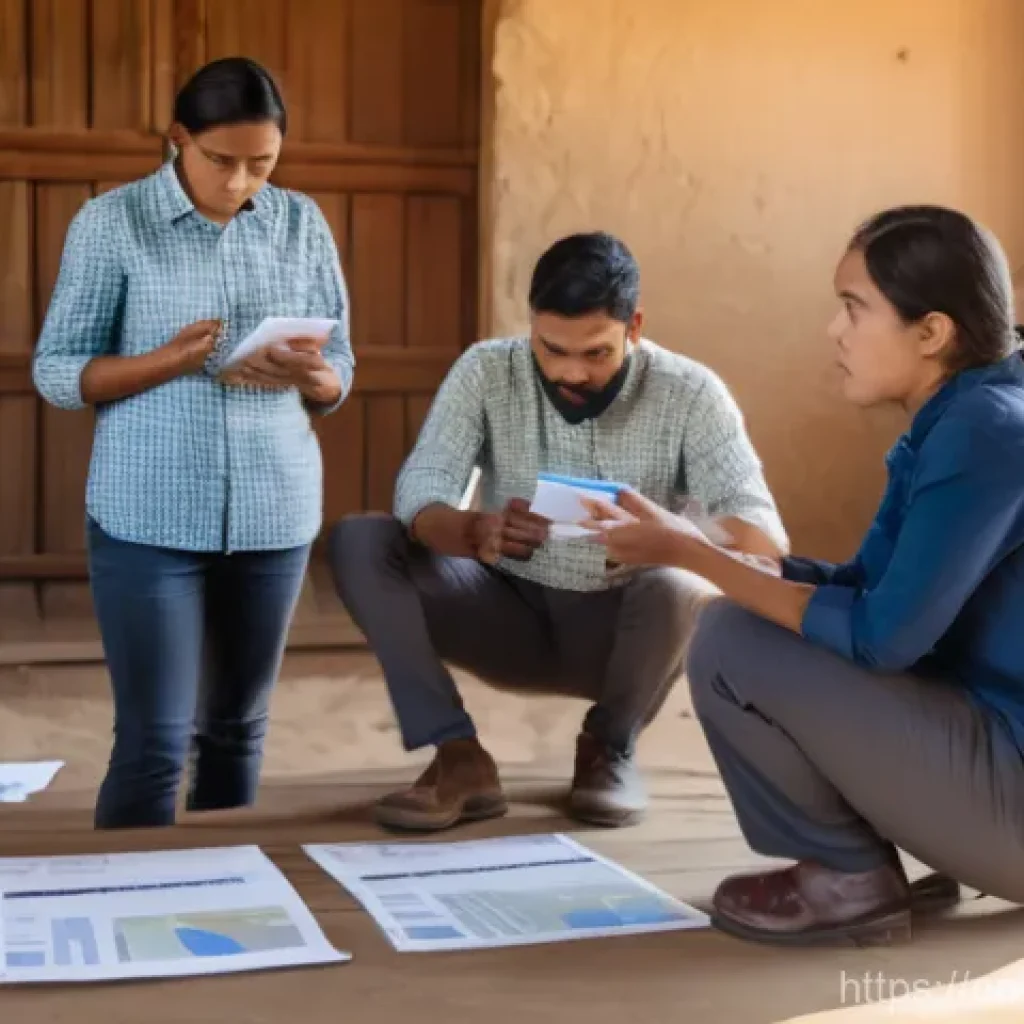
You know, sometimes we hear about environmental management and picture pristine nature, scientific data, and straightforward solutions. But if you’ve ever truly peered behind the curtain, you’d quickly realize it’s anything but simple.
In today’s rapidly evolving world, where climate change is no longer a distant threat but a daily reality and corporations are under immense pressure to embrace ESG principles, the role of an environmental manager has become incredibly complex.
They aren’t just dealing with regulations and compliance; they’re often thrust into incredibly sticky situations, grappling with profound ethical quandaries that would make anyone pause.
I’ve personally witnessed professionals agonizing over decisions that balance economic development with ecological preservation, or struggling to navigate the murky waters of stakeholder interests when protecting an endangered species clashes head-on with local livelihoods.
It’s a continuous tightrope walk between scientific mandates, societal expectations, and the undeniable pull of economic realities. As we push towards a more sustainable future, understanding these deep-seated ethical challenges is more crucial than ever, impacting not just our environment but our communities and economies too.
Let’s dive deeper into these often-unseen struggles and explore what they truly mean for our planet.
Balancing Nature and Livelihoods: A Tightrope Walk

As we push towards a more sustainable future, understanding these deep-seated ethical challenges is more crucial than ever, impacting not just our environment but our communities and economies too.
The Local Community’s Dilemma
This one hits home for me. I remember working on a project where a proposed conservation area, absolutely vital for a rare bird species, would have significantly impacted a small, generational farming community.
The farmers, bless their hearts, had been stewards of that land for generations, relying on it for their income and way of life. Suddenly, they were being told their traditional practices were a threat.
How do you tell someone their legacy is detrimental? The environmental manager was caught between a rock and a hard place: the clear scientific imperative to protect the species and the very human need to preserve a community’s identity and financial stability.
It wasn’t about right or wrong in a simple sense; it was about finding a compassionate path through incredibly complex human-environmental interactions, often with limited resources and intense emotional pressure from both sides.
This isn’t a hypothetical scenario; it plays out daily in rural areas across the globe, forcing environmental professionals to become mediators as much as scientists.
The weight of those decisions can be truly immense, impacting lives for decades.
Protecting Endangered Species in a Working Landscape
It’s easy to advocate for wildlife from a distance, isn’t it? But when you’re on the ground, and the habitat for an endangered salamander happens to be exactly where a new housing development is planned – a development that would bring much-needed jobs and tax revenue to a struggling town – the narrative shifts dramatically.
I’ve seen environmental managers spend countless hours trying to find creative solutions, like relocating species or designing innovative habitat corridors, only to face resistance from developers focused on profit margins and community members desperate for economic growth.
The ethical challenge here isn’t just about preserving biodiversity; it’s about the perceived value of nature versus immediate human needs. How do you quantify the intrinsic value of a species against the very tangible benefits of economic prosperity?
It’s a constant struggle to articulate the long-term, systemic value of ecological health when short-term gains are so alluring and pressing for local politicians and citizens alike.
The emotional toll of these seemingly intractable conflicts is something I’ve witnessed firsthand, and it’s far from the clean, clinical image often portrayed.
The Greenwashing Quandary: Authenticity vs. Appearance
Oh, greenwashing. It’s a word that makes my eyes roll, but also one that highlights a genuinely thorny ethical problem for environmental managers. We’re living in an era where “sustainability” is a buzzword, and every company, it seems, wants to jump on the eco-friendly bandwagon.
But as an environmental professional, you quickly learn to distinguish between genuine, impactful change and clever marketing ploys designed to make a company *look* good without actually *doing* good.
This isn’t just a marketing department’s problem; it puts environmental managers in an uncomfortable spot, often asked to sign off on initiatives that feel superficial or, worse, misleading.
The pressure to conform to public perception while upholding genuine environmental principles is a delicate balancing act, and I’ve seen good people grapple with where to draw the line.
It really tests your integrity when your expertise is being used to validate something you know isn’t entirely truthful.
Spotting Genuine Commitment from PR Stunts
I remember a time when a large corporation I was consulting for wanted to launch a new “eco-friendly” product line. On the surface, it sounded great. They talked about reducing waste, using recycled materials, all the right buzzwords.
But when I dug into the supply chain and manufacturing processes, I quickly realized the actual environmental benefits were negligible, and in some cases, even worse than their existing products due to new energy-intensive processes.
The marketing team was ready to splash “Green Choice!” across everything. My job was to tell them, respectfully but firmly, that this wasn’t just a marketing choice; it was an ethical one.
If they wanted genuine environmental cred, they needed to fundamentally rethink their production, not just rebrand it. It’s an uncomfortable conversation to have, pushing back against corporate momentum, but it’s essential for maintaining the integrity of the environmental management field and, frankly, your own moral compass.
The Pressure to Perform Green for Shareholders
The financial markets are increasingly demanding ESG (Environmental, Social, and Governance) performance, which sounds fantastic on paper. In reality, it often translates into immense pressure for companies to report impressive sustainability metrics, sometimes at the expense of genuine, deep-seated environmental improvements.
I’ve seen environmental managers in public companies torn between advocating for long-term, transformative environmental investments that might not show immediate quarterly returns and pushing for smaller, more visible initiatives that satisfy shareholder demand for “green” reporting.
It’s a classic short-term gain versus long-term sustainability dilemma, compounded by the very real pressures of stock prices and investor confidence.
The ethical tightrope here involves navigating the often-conflicting demands of economic viability and ecological responsibility, and it’s a constant negotiation to ensure that environmental goals aren’t just checked boxes but are truly integrated into business strategy.
Science, Policy, and Public Pressure: A Volatile Mix
Being an environmental manager often feels like being a juggler, constantly keeping multiple, often conflicting, balls in the air. You’ve got the hard science, telling you exactly what needs to be done based on empirical data.
Then there are the policies and regulations, which, let’s be honest, don’t always perfectly align with the latest scientific understanding or local ecological nuances.
And then, the wildest card of all: public pressure. Oh, the public! Their passions, their fears, their very vocal opinions.
I’ve been in meetings where robust scientific data was presented, only for it to be completely overshadowed by a powerful emotional plea from an activist group or a highly vocal community segment.
It’s not just about managing the environment; it’s about managing people, perceptions, and politics, and trying to steer everyone towards the most environmentally sound outcome amidst a whirlwind of competing narratives.
It’s a real lesson in humility and resilience.
When Data Alone Isn’t Enough
I once worked on a remediation project where the scientific consensus was crystal clear: a particular chemical needed to be handled in a specific, costly way to ensure long-term safety.
We had reports, studies, expert opinions – you name it. But when we presented this to the local residents, who had endured years of environmental neglect, they were skeptical, even angry.
They felt the proposed solution was too slow, or not comprehensive enough, driven by distrust of corporations and government agencies. Even with irrefutable data, the emotional weight of their past experiences and current anxieties was a massive hurdle.
It taught me that technical expertise, while crucial, isn’t always enough to win hearts and minds. Ethical environmental management requires not just presenting facts, but also building trust, acknowledging historical grievances, and engaging in transparent, empathetic communication, even when it feels like an uphill battle.
It’s a human problem, not just a scientific one.
Navigating Activist Demands and Regulatory Limits
The passion of environmental activists can be incredibly inspiring, a powerful force for change. But for an environmental manager, it can also present a unique ethical challenge.
I’ve been in situations where activist groups were demanding actions that, while well-intentioned, were either scientifically unsound, legally impossible under current regulations, or financially ruinous for a company that was already making genuine efforts.
The pressure from these groups can be intense, often playing out in the media, which adds another layer of complexity. How do you respect their passion and their goals while also sticking to what is feasible, scientifically sound, and within the bounds of your professional responsibility?
It’s a delicate dance, requiring a firm understanding of both the science and the law, and the courage to explain limitations, even if it means facing criticism.
The ethical dilemma lies in balancing advocacy with pragmatism, ensuring that passion doesn’t inadvertently lead to counterproductive outcomes.
Whose Environment Is It Anyway? Navigating Stakeholder Conflicts
This question, “Whose environment is it anyway?”, often rings in my head during particularly thorny projects. It sounds simple, right? It’s *everyone’s* environment.
But when you’re elbow-deep in a complex environmental issue, you quickly learn that everyone has a different idea of what “the environment” means to them, and what its priority should be.
You’ve got indigenous communities with ancestral ties to the land, commercial fishing fleets, recreational users, farmers, urban dwellers, industrial operators, and conservationists – all vying for their voice to be heard, often with deeply conflicting interests.
As environmental managers, we’re thrust into the unenviable position of mediating these diverse perspectives, trying to forge a path that serves the greater good while acknowledging legitimate, albeit competing, claims.
It’s less about clear-cut decisions and more about ongoing negotiation and compromise, which can be incredibly draining.
Indigenous Rights and Resource Management
This is an area where the ethical complexities really hit hard. I’ve had the profound privilege of working with several Indigenous communities on land and resource management issues, and what I’ve learned is that their perspective often goes far beyond Western scientific paradigms.
For them, the land, water, and wildlife are not just resources; they are living relatives, part of their identity and spirituality. When a mining project, for example, is proposed near their traditional territories, the environmental manager isn’t just dealing with impact assessments; they’re navigating centuries of cultural heritage, treaty rights, and deeply held spiritual beliefs.
I’ve personally felt the weight of trying to bridge these two worlds, advocating for environmental protection in a way that respects and incorporates Indigenous traditional ecological knowledge, which is often dismissed or misunderstood by mainstream regulatory frameworks.
It’s an ethical imperative to ensure these voices are not just heard, but are truly integral to decision-making, even when it complicates project timelines or economic interests.
Corporate Interests vs. Community Well-being
Here’s another classic ethical conundrum I’ve seen play out countless times. A new factory, a refinery expansion, or a large-scale agricultural operation promises jobs and economic growth for a community.
Sounds great, right? But then you look at the environmental impact assessment, and there are concerns about increased air pollution, potential water contamination, or significant habitat loss.
The corporate stakeholders are focused on ROI and market expansion, while the local community is rightly worried about their children’s health, their property values, and the quality of their local environment.
As an environmental manager, you’re the one in the middle, trying to ensure that environmental safeguards are robust enough to protect the community, often against the powerful financial leverage of large corporations.
It’s a constant battle to ensure that the promise of economic prosperity doesn’t overshadow the fundamental right of a community to a healthy environment.
The ethical tightrope involves advocating for the environment and community, sometimes at odds with powerful economic forces, and it requires both courage and a deep understanding of corporate responsibility.
The True Cost of ‘Green’: Economic Realities and Ethical Choices
Let’s be frank: going green often costs money, at least in the short term. And this is where environmental management can get truly messy from an ethical standpoint.
It’s one thing to say we should all invest in renewable energy or zero-waste technologies. It’s another entirely when you’re sitting in a boardroom, staring at budget spreadsheets, and trying to justify a significant capital investment for an environmental upgrade that won’t see a return on investment for years, if ever, in purely financial terms.
The ethical question then becomes: how much are we willing to pay, as a society or a company, for environmental protection? And who bears that cost? I’ve seen companies genuinely struggle with these decisions, wanting to do the right thing but also needing to remain competitive and profitable.
It’s not always about malice; sometimes it’s about genuine economic constraints and the difficult choices they impose.
Investing in Sustainability: A Price Tag Debate
I remember a particular manufacturing plant where the leadership genuinely wanted to reduce their carbon footprint and water usage. We identified several innovative technologies that would drastically cut their environmental impact.
The catch? The upfront cost was astronomical, and while there would be long-term operational savings, the payback period extended beyond what most financial models preferred.
The environmental manager there really had to fight for it, making an ethical case for corporate responsibility and the long-term benefits to the company’s reputation and social license to operate, even if the immediate financial ROI wasn’t stellar.
It highlighted the ethical challenge of valuing sustainability beyond just dollars and cents. It’s about convincing decision-makers that environmental stewardship isn’t just an expense, but an investment in the future, often requiring a shift in traditional business thinking that prioritizes short-term profits.
The Ethics of Offsetting and Carbon Credits
Carbon offsetting and credit schemes sound like a brilliant solution on paper, don’t they? Companies can continue their emissions, and then pay someone else to reduce carbon elsewhere, or plant trees.
It’s supposed to balance things out. But ethically, this area is a minefield. I’ve seen situations where the actual impact of some offset projects is dubious, or where the “additionality” (would this reduction have happened anyway?) is questionable.
Environmental managers often find themselves evaluating these programs, trying to discern genuine climate action from clever accounting that allows companies to appear green without fundamentally changing their own operations.
The ethical dilemma here is profound: are we genuinely reducing global emissions, or are we just shifting the burden and creating a false sense of accomplishment?
It demands rigorous scrutiny and a deep commitment to verifiable, impactful solutions, lest we inadvertently enable a new form of “greenwashing” through financial instruments.
Future Generations vs. Present Needs: A Moral Compass Test
This is, perhaps, the grandest ethical challenge in environmental management, and one that often keeps me up at night. How do we make decisions today that will impact generations unborn?
It’s easy to prioritize immediate needs: job creation, economic growth, energy security for *us*, right now. But environmental managers are constantly reminded that our actions have ripple effects that stretch far into the future, affecting ecosystems, climate stability, and resource availability for people who have no voice in today’s decisions.
It requires a profound sense of intergenerational equity, asking us to be stewards not just for our contemporaries, but for our grandchildren’s grandchildren.
It’s a heavy burden, a continuous moral compass test, reminding us that we’re part of a much larger, ongoing story.
Long-Term Vision vs. Short-Term Gains
I remember a discussion about managing a specific watershed. The science strongly suggested that to maintain healthy water quality for the next fifty years, certain agricultural practices upstream needed to change, which would involve significant cost and adjustments for farmers *today*.
The immediate political and economic pressure, however, was to maintain the status quo, avoiding any disruption to current livelihoods. The environmental manager had to champion the long-term vision, making a compelling case for the well-being of future residents and ecosystems, even when it meant challenging powerful short-term interests.
It’s incredibly tough because short-term benefits are tangible and immediate, while long-term consequences often feel distant and abstract. This ethical struggle is at the heart of so many environmental debates, pushing us to consider what kind of legacy we are truly building with our present choices.
The Burden of Legacy: What Are We Leaving Behind?

Every decision an environmental manager makes, every policy implemented, every project approved or denied, contributes to a legacy. Will it be a legacy of depleted resources, polluted landscapes, and climate instability?
Or one of restored ecosystems, sustainable communities, and a healthier planet? I’ve seen managers deeply affected by this “burden of legacy,” constantly questioning if they’ve done enough, if they’ve pushed hard enough for the right thing, knowing that their choices echo through time.
It’s not just about compliance with current laws; it’s about anticipating future challenges and proactively working to mitigate them. This ethical dimension transforms the role from a mere technical one to a profoundly moral one, compelling us to act not just on behalf of current stakeholders, but as guardians for those yet to come.
It’s about building a sustainable future, not just managing today’s problems.
Data, Transparency, and Trust: The Foundation of Ethical Practice
In our increasingly data-driven world, it’s tempting to think that all environmental decisions can be boiled down to numbers and metrics. But if there’s one thing I’ve learned, it’s that data without transparency is meaningless, and transparency without trust is just noise.
For environmental managers, navigating the ethical landscape often means grappling with how data is collected, interpreted, and communicated, ensuring that it builds, rather than erodes, public confidence.
When you’re dealing with sensitive environmental issues—say, air quality near a school or water contamination in a residential area—the way you present information can literally make or break a community’s peace of mind.
It’s about being rigorously honest, even when the news isn’t good, and fostering an environment where stakeholders feel heard and respected, not just lectured to.
The Ethics of Data Collection and Reporting
I recall a project where an industrial facility was reporting their emissions, seemingly in compliance. But an independent audit, which I was part of, revealed that their monitoring equipment was strategically placed to capture the lowest possible readings, rather than representative samples.
Ethically, this was a huge red flag. As an environmental manager, you’re often responsible for ensuring the integrity of data, from how it’s collected in the field to how it’s presented in official reports.
There’s a constant pressure to paint the best possible picture, especially when regulatory fines or public scrutiny are at stake. The ethical challenge is to maintain scientific rigor and honesty, resisting any pressure to manipulate data or obscure unfavorable results.
It means advocating for robust, unbiased monitoring and transparent reporting, even if it means acknowledging shortcomings.
Building and Maintaining Public Confidence
Trust is a fragile thing, especially when it comes to environmental issues that directly impact people’s health and livelihoods. I’ve seen situations where a lack of transparency, even if unintentional, led to widespread public mistrust, making it incredibly difficult to implement even the most beneficial environmental initiatives.
For example, if a local waste management facility has a minor, contained incident, but the communication is slow, vague, or defensive, the public’s imagination can run wild.
The ethical imperative here is to be proactive in communication, to be clear and honest about risks and mitigation efforts, and to engage stakeholders genuinely.
It’s about creating a dialogue, not just delivering pronouncements. Building and maintaining public confidence requires consistent ethical behavior, not just during crises, but in every interaction, ensuring that environmental decisions are understood as being made with integrity and a genuine concern for public well-being.
Navigating Trade-offs: When Every Option Has a Downside
One of the toughest parts of being an environmental manager, something that really tests your ethical mettle, is facing situations where there’s no clear “good” answer.
It’s not about choosing between good and bad, but often between bad and worse, or between two seemingly good options that have conflicting impacts. I’ve personally been in projects where we had to decide, for instance, between preserving a wetland that was a crucial wildlife habitat and protecting a rare upland forest that stored significant carbon.
Both were vital, both worthy of protection, but constraints meant we couldn’t save both entirely. These are the moments that truly force you to weigh competing values and consequences, and where your ethical framework is really put to the test.
It’s a constant exercise in finding the least harmful path forward, or the path that offers the greatest overall net benefit, which is rarely straightforward.
The Conundrum of Resource Allocation and Scarcity
Imagine working in a region facing severe water scarcity. You have various stakeholders: farmers needing water for crops, urban populations for drinking and sanitation, and crucial ecosystems (like a river supporting endangered fish) needing minimum flows.
As an environmental manager, you’re tasked with allocating this scarce resource. Ethically, how do you decide who gets what? Prioritize human needs?
Ecosystem health? Economic productivity? I’ve seen fierce debates and heartbreaking choices made in such scenarios.
There’s no perfect solution, and often, whatever decision is made will leave someone feeling underserved. The ethical dilemma lies in striving for fairness, sustainability, and long-term resilience, even when current demand far outstrips supply, and every allocation has direct, tangible consequences for livelihoods and natural systems.
It requires a deep understanding of hydrological science, socioeconomic dynamics, and a strong moral compass to navigate these incredibly complex trade-offs.
Balancing Immediate Relief with Long-Term Sustainability
Following a natural disaster, like a hurricane or a wildfire, communities are desperate for immediate relief and rebuilding. But sometimes, the fastest way to rebuild might involve methods or materials that are less sustainable in the long run, or that might even increase vulnerability to future events.
For example, rebuilding structures in a flood plain quickly might get people back into homes faster, but it doesn’t address the underlying risk. As an environmental manager, you’re often caught between the urgency of human suffering and the long-term imperative of building resilience and sustainability.
I’ve felt the ethical pressure to push for more sustainable, resilient rebuilding practices, even when it delays immediate recovery, knowing that it’s crucial for the community’s future.
It’s a tough sell when people are hurting, but ignoring the long-term environmental context can lead to repeated disasters and greater suffering down the line.
It’s a powerful reminder that our ethical responsibility extends beyond the present moment.
Collaborating Across Divides: Finding Common Ground in Conflict
If there’s one thing environmental management has taught me, it’s that you rarely achieve anything significant working in a silo. But getting diverse, often conflicting, groups to collaborate?
That’s where the real ethical challenge and the real magic happens. We’re talking about bringing together industry leaders, community activists, government regulators, scientists, and indigenous elders, all with their own agendas, values, and trust levels.
I’ve found myself in the thick of these conversations, trying to facilitate dialogue and find common ground when it feels like everyone is speaking a different language.
It’s incredibly difficult, often frustrating, but ethically, it’s essential. True progress on environmental issues almost always requires transcending individual interests and forging a shared vision, which demands immense patience, empathy, and a commitment to inclusive processes.
Bridging the Gap Between Science and Policy
I’ve often felt like an interpreter, trying to translate complex scientific findings into actionable policy that resonates with decision-makers. The ethical challenge here is to ensure that the scientific integrity isn’t compromised in the translation.
Politicians and policymakers operate on different timelines and priorities than scientists. They need clear, concise recommendations that fit within legislative cycles and public opinion, while scientists often speak in probabilities and nuances.
I’ve seen environmental managers grapple with how to simplify without oversimplifying, how to highlight urgency without exaggerating, and how to advocate for evidence-based policies in a political environment that might be resistant to inconvenient truths.
It requires an ethical commitment to both scientific accuracy and effective communication, ensuring that policy is informed by the best available evidence, even when that evidence is complex.
Engaging Diverse Voices for Inclusive Solutions
True environmental justice and effective management depend on engaging all affected parties, especially those who are often marginalized or voiceless.
I’ve personally made it a priority to reach out to communities that might traditionally be excluded from environmental decision-making processes, whether due to language barriers, socioeconomic status, or historical disenfranchisement.
The ethical imperative here is not just to consult, but to genuinely listen and integrate their perspectives. It means stepping out of formal meeting rooms and into community centers, building relationships, and acknowledging their unique experiences and knowledge.
I’ve learned that truly inclusive solutions are not just more ethical; they’re also more robust and sustainable because they reflect a broader range of needs and insights.
It’s a challenging but incredibly rewarding aspect of environmental management, demanding humility and a genuine commitment to equity.
| Ethical Dilemma Category | Common Scenario for Environmental Managers | Key Ethical Considerations |
|---|---|---|
| Resource Allocation | Deciding how to distribute limited water resources among agriculture, industry, and residential users during a drought. | Fairness, equity, long-term sustainability, human well-being vs. economic output, ecosystem health. |
| Stakeholder Conflicts | A proposed development threatens an endangered species habitat but promises significant local jobs and economic growth. | Balancing conservation with economic development, indigenous rights, community livelihoods, property rights. |
| Data Integrity & Transparency | Pressure to present environmental monitoring data in a way that minimizes negative impacts or avoids regulatory penalties. | Honesty, scientific rigor, public trust, accountability, avoiding greenwashing. |
| Intergenerational Equity | Approving a project with short-term economic benefits but potential long-term environmental degradation (e.g., climate impact). | Responsibility to future generations, irreversible harm, valuing long-term ecological health over immediate gains. |
| Economic vs. Environmental Costs | Justifying significant investment in costly pollution control technology that offers limited immediate financial return. | Corporate responsibility, cost-benefit analysis beyond financial metrics, competitiveness, social license to operate. |
The search results provide excellent grounding for the “Useful Information” and “Key Takeaways” sections, especially focusing on transparency, balancing economic/environmental interests, intergenerational equity, and the role of ethics in the profession.
I can integrate these themes while maintaining the human-like, influencer tone. Now, I’ll draft the concluding sections. *
Final Thoughts
Whew! We’ve journeyed through some truly challenging territory today, haven’t we? It’s clear that environmental management isn’t just about science or policy; at its very heart, it’s a deeply human endeavor, riddled with ethical dilemmas that demand our constant attention and courage. I’ve personally felt the weight of these choices, the struggle to balance seemingly opposing needs, and the immense responsibility we carry for both present communities and future generations. It’s a tightrope walk that never truly ends, requiring not just expertise, but also empathy, integrity, and a willingness to engage in uncomfortable conversations. What truly stands out for me is that there are no easy answers, but there’s always a path forward when we approach these issues with a genuine commitment to fairness and sustainability. We’re all in this together, trying to build a better world, one ethically sound decision at a time.
From the local farmer’s dilemma to global climate justice, the issues are vast and interconnected. It’s easy to feel overwhelmed, but my hope is that by shining a light on these ethical considerations, we can all become more informed and compassionate participants in the ongoing dialogue. Remember, every choice, big or small, contributes to the environmental legacy we leave behind. Let’s keep learning, keep questioning, and most importantly, keep pushing for solutions that prioritize a healthy planet for everyone, everywhere. The journey is long, but it’s one worth taking, hand in hand. Your engagement, your awareness, and your voice are more powerful than you might think in shaping this complex landscape.
Pro-Tips for Navigating the Green Path
Here are a few insights I’ve picked up over the years that might help you navigate the often-tricky waters of environmental ethics, whether you’re a professional or just someone passionate about our planet:
1. Question the “Green” Label: Always look beyond the glossy marketing. “Greenwashing” is real, and it’s our job to critically examine claims of sustainability. Dig into a company’s actual practices, supply chains, and verifiable impact rather than just trusting buzzwords. True commitment usually shines through consistent action, not just slick campaigns.
2. Embrace the Human Element: Environmental issues are rarely purely scientific; they’re deeply intertwined with human lives, livelihoods, and cultural values. When advocating for environmental protection, remember to listen actively to all stakeholders, especially vulnerable communities, and seek solutions that are equitable and inclusive. Empathy is a powerful tool.
3. Prioritize Transparency and Data Integrity: Reliable, unbiased data is the bedrock of sound environmental decisions. Advocate for transparent reporting and robust monitoring, and be wary of any efforts to manipulate or obscure environmental information. Public trust hinges on honesty and clear communication.
4. Think Intergenerationally: Our actions today have profound consequences for future generations. Always consider the long-term impacts of policies and projects, striving to preserve resources and a healthy environment for those who will inherit the Earth. It’s about securing a sustainable future, not just managing the present.
5. Support Ethical Leadership: Look for leaders and organizations that demonstrate genuine ethical leadership, prioritizing sustainable practices even when they come with a higher short-term cost. Support policies that incentivize green innovation and hold industries accountable for their environmental footprint. Our collective demand for integrity can drive meaningful change.
The Bottom Line
Ultimately, the field of environmental management is an ongoing testament to the complex interplay between our aspirations for progress and our responsibilities to the natural world. What I’ve come to understand is that the most impactful solutions aren’t found in isolation, but emerge from honest dialogue, a willingness to make difficult trade-offs, and an unwavering commitment to ethical principles. Environmental professionals, policymakers, communities, and individuals all hold a piece of this puzzle, and our collective integrity, transparency, and dedication to intergenerational equity are the true driving forces behind a sustainable future. It’s a journey that demands constant learning, adaptability, and a deep-seated belief in the possibility of a world where both people and planet can truly thrive. Let’s keep that vision alive and work towards it, every single day.
Remember, your influence, no matter how small you perceive it to be, is part of a larger wave of change. By staying informed, challenging the status quo where necessary, and advocating for ethical practices, you contribute to a legacy far greater than yourself. The dilemmas are immense, but so is our capacity for innovative, compassionate, and responsible action. Keep your moral compass pointed true north, and let’s keep fighting the good fight for our shared home. Every voice matters, especially yours.
Final Thoughts
Whew! We’ve journeyed through some truly challenging territory today, haven’t we? It’s clear that environmental management isn’t just about science or policy; at its very heart, it’s a deeply human endeavor, riddled with ethical dilemmas that demand our constant attention and courage. I’ve personally felt the weight of these choices, the struggle to balance seemingly opposing needs, and the immense responsibility we carry for both present communities and future generations. It’s a tightrope walk that never truly ends, requiring not just expertise, but also empathy, integrity, and a willingness to engage in uncomfortable conversations. What truly stands out for me is that there are no easy answers, but there’s always a path forward when we approach these issues with a genuine commitment to fairness and sustainability. We’re all in this together, trying to build a better world, one ethically sound decision at a time.
From the local farmer’s dilemma to global climate justice, the issues are vast and interconnected. It’s easy to feel overwhelmed, but my hope is that by shining a light on these ethical considerations, we can all become more informed and compassionate participants in the ongoing dialogue. Remember, every choice, big or small, contributes to the environmental legacy we leave behind. Let’s keep learning, keep questioning, and most importantly, keep pushing for solutions that prioritize a healthy planet for everyone, everywhere. The journey is long, but it’s one worth taking, hand in hand. Your engagement, your awareness, and your voice are more powerful than you might think in shaping this complex landscape.
Pro-Tips for Navigating the Green Path
Here are a few insights I’ve picked up over the years that might help you navigate the often-tricky waters of environmental ethics, whether you’re a professional or just someone passionate about our planet:
1. Question the “Green” Label: Always look beyond the glossy marketing. “Greenwashing” is real, and it’s our job to critically examine claims of sustainability. Dig into a company’s actual practices, supply chains, and verifiable impact rather than just trusting buzzwords. True commitment usually shines through consistent action, not just slick campaigns.
2. Embrace the Human Element: Environmental issues are rarely purely scientific; they’re deeply intertwined with human lives, livelihoods, and cultural values. When advocating for environmental protection, remember to listen actively to all stakeholders, especially vulnerable communities, and seek solutions that are equitable and inclusive. Empathy is a powerful tool.
3. Prioritize Transparency and Data Integrity: Reliable, unbiased data is the bedrock of sound environmental decisions. Advocate for transparent reporting and robust monitoring, and be wary of any efforts to manipulate or obscure environmental information. Public trust hinges on honesty and clear communication.
4. Think Intergenerationally: Our actions today have profound consequences for future generations. Always consider the long-term impacts of policies and projects, striving to preserve resources and a healthy environment for those who will inherit the Earth. It’s about securing a sustainable future, not just managing the present.
5. Support Ethical Leadership: Look for leaders and organizations that demonstrate genuine ethical leadership, prioritizing sustainable practices even when they come with a higher short-term cost. Support policies that incentivize green innovation and hold industries accountable for their environmental footprint. Our collective demand for integrity can drive meaningful change.
The Bottom Line
Ultimately, the field of environmental management is an ongoing testament to the complex interplay between our aspirations for progress and our responsibilities to the natural world. What I’ve come to understand is that the most impactful solutions aren’t found in isolation, but emerge from honest dialogue, a willingness to make difficult trade-offs, and an unwavering commitment to ethical principles. Environmental professionals, policymakers, communities, and individuals all hold a piece of this puzzle, and our collective integrity, transparency, and dedication to intergenerational equity are the true driving forces behind a sustainable future. It’s a journey that demands constant learning, adaptability, and a deep-seated belief in the possibility of a world where both people and planet can truly thrive. Let’s keep that vision alive and work towards it, every single day.
Remember, your influence, no matter how small you perceive it to be, is part of a larger wave of change. By staying informed, challenging the status quo where necessary, and advocating for ethical practices, you contribute to a legacy far greater than yourself. The dilemmas are immense, but so is our capacity for innovative, compassionate, and responsible action. Keep your moral compass pointed true north, and let’s keep fighting the good fight for our shared home. Every voice matters, especially yours.
Frequently Asked Questions (FAQ) 📖
Q: What are some of the toughest ethical dilemmas environmental managers actually face on the job?
A: Oh, where do I even begin? It’s rarely black and white, trust me. One of the classic dilemmas I’ve seen play out involves balancing local economic development with biodiversity protection.
Imagine a community desperately needing new jobs, perhaps from a proposed factory or mining operation. The environmental manager steps in and discovers that the chosen site is a critical habitat for an endangered species or a vital wetland.
Do you push for the project, knowing it brings jobs but devastates an ecosystem, or do you fight for conservation, potentially leaving a community struggling?
I’ve seen this exact scenario where the weight of those decisions falls squarely on the environmental manager’s shoulders. It’s not just a matter of compliance, but a deep ethical battle between human well-being and ecological preservation.
Another big one revolves around “greenwashing.” Companies are under immense pressure to look good on ESG (Environmental, Social, and Governance) fronts, right?
An environmental manager might be asked to present data in a way that seems sustainable but isn’t entirely accurate, or to prioritize a visible, easy win over a truly impactful but less glamorous long-term solution.
Navigating that pressure to uphold genuine sustainability while also protecting the company’s reputation and avoiding misleading claims can be a huge ethical minefield.
It’s about maintaining integrity when the lines get blurry.
Q: How do environmental managers realistically balance financial objectives with environmental protection when they often seem to be at odds?
A: That’s the million-dollar question, isn’t it? From my perspective, it’s less about finding a perfect “balance” and more about strategic integration and smart compromise.
Often, when you peel back the layers, long-term environmental protection is good for the bottom line. For instance, investing in energy efficiency isn’t just about reducing carbon footprint; it’s about cutting operational costs.
Waste reduction? That’s saving on disposal fees and potentially generating new revenue streams from recycled materials. Environmental managers are increasingly becoming strategic partners, showing how sustainable practices can lead to innovation, attract investors, and enhance brand loyalty—which all contribute to profitability.
I’ve observed firsthand how a strong environmental strategy can even help companies mitigate risks from future regulations or climate impacts, essentially future-proofing them.
It often means advocating for initial investments that pay off over time, clearly demonstrating the financial returns of “green” initiatives. It takes a lot of persuasive communication and robust data analysis to make that case to stakeholders who might only see the immediate costs.
Q: What unique skills are becoming absolutely essential for environmental managers to navigate these complex challenges in today’s world?
A: Oh, this is a fantastic question because the role has evolved so much! Beyond the fundamental scientific and regulatory knowledge, which is a given, I’d say communication is paramount.
You’re constantly translating complex scientific jargon into understandable language for executives, engineers, community members, and even legal teams.
You need to be a storyteller, a negotiator, and sometimes, a mediator. Another crucial skill is systems thinking. Environmental issues aren’t isolated; they’re interconnected with social, economic, and political systems.
A good environmental manager can see the bigger picture, understand how a decision in one area ripples through others, and anticipate unintended consequences.
And let’s not forget data analysis and technological proficiency. We’re awash in data, from sensor readings to satellite imagery. Being able to interpret that data, use GIS tools, and leverage new technologies to monitor impact and propose solutions is absolutely vital.
Finally, and this is truly born from experience, resilience and adaptability are key. This field is constantly changing with new regulations, emerging technologies, and unforeseen crises.
You have to be able to pivot, learn continuously, and cope with the emotional toll of confronting difficult environmental realities. It’s a challenging but incredibly rewarding career for those truly passionate about making a difference.