
In today’s rapidly evolving corporate landscape, sustainability isn’t just a buzzword—it’s a business imperative that shapes brand reputation and long-term success.

As climate concerns intensify and consumer expectations rise, sustainability managers are stepping into pivotal roles that demand more than just technical know-how.
Establishing genuine influence within your organization requires a blend of strategic insight, effective communication, and authentic leadership. Whether you’re newly appointed or looking to deepen your impact, mastering environmental leadership is key to driving meaningful change.
Let’s explore how you can confidently position yourself as a sustainability leader who inspires action and delivers results.
Building Credibility Through Data-Driven Sustainability Initiatives
Leveraging Metrics to Showcase Impact
When I first stepped into the sustainability manager role, I realized quickly that passion alone doesn’t convince stakeholders. Numbers speak louder. Tracking energy consumption, waste reduction, or water usage isn’t just about compliance—it’s the tangible evidence that sustainability efforts are making a difference.
Presenting clear metrics during meetings helps transform abstract ideas into measurable business value. For instance, showing a 15% decrease in energy costs over six months grabbed leadership’s attention far more than vague promises ever could.
It’s crucial to identify key performance indicators (KPIs) that align with your company’s strategic goals and report them consistently. Over time, this builds trust and positions you as someone who brings concrete results to the table.
Using Benchmarking to Identify Opportunities
Benchmarking against industry peers or recognized sustainability standards also offers a roadmap for improvement. Early on, I conducted a comparison of our carbon footprint against competitors and realized we were lagging in supply chain emissions transparency.
This insight opened a dialogue with procurement teams and sparked collaboration that wouldn’t have happened otherwise. By showing where you stand in the market, you can prioritize initiatives that deliver the most competitive advantage and environmental benefit.
It’s not about perfection but progress, and benchmarking highlights both strengths and gaps in your sustainability strategy.
Communicating Data with Storytelling
Numbers alone can feel cold and impersonal, so pairing data with stories creates a compelling narrative. Sharing how a new waste reduction program impacted a particular department or employee adds a human element that resonates more deeply.
I found that combining charts with testimonials or anecdotes during presentations helps colleagues connect emotionally and understand the real-life implications of sustainability efforts.
This blend of logic and emotion fosters buy-in and keeps momentum going even when challenges arise.
Fostering Cross-Departmental Collaboration for Greater Influence
Breaking Down Silos with Shared Goals
Sustainability is not a one-person job—it thrives when different departments work together toward common objectives. Early in my role, I made it a point to build relationships with teams beyond environmental or facilities management.
Engaging finance, marketing, and operations in sustainability conversations revealed overlapping priorities and unlocked new resources. For example, partnering with marketing helped amplify green initiatives externally, while finance provided insights on cost-saving opportunities through energy efficiency.
By framing sustainability as a shared responsibility aligned with core business goals, you foster a culture of collaboration rather than competition.
Creating Interdepartmental Task Forces
One effective tactic I implemented was forming a cross-functional sustainability task force. This group met regularly to brainstorm ideas, troubleshoot challenges, and track progress.
It included representatives from procurement, HR, IT, and even customer service. The diverse perspectives enriched the solutions and increased accountability.
Plus, having champions in multiple areas meant your message reached further and carried more weight. Over time, this network became a powerful engine driving continuous improvement and innovation across the company.
Utilizing Technology for Seamless Coordination
In today’s digital age, leveraging collaborative platforms can streamline communication and project management. I introduced tools like shared dashboards and communication apps that allowed real-time updates and transparent tracking of sustainability goals.
This not only improved efficiency but also kept everyone informed and engaged. When teams can easily see how their contributions fit into the bigger picture, it enhances motivation and alignment, which are key to sustaining momentum.
Mastering Strategic Communication to Inspire Change
Tailoring Messages for Different Audiences
I learned early that one size doesn’t fit all when communicating sustainability. Executives, frontline staff, and external partners all have distinct interests and levels of understanding.
Crafting tailored messages that address what matters most to each group makes your communication more impactful. For example, I focus on cost savings and risk mitigation when speaking to leadership, while highlighting practical day-to-day actions and benefits for operational teams.
This targeted approach ensures your message resonates and prompts action rather than being dismissed as irrelevant.
Harnessing the Power of Visuals
Visual aids are a game changer for engagement. Infographics, charts, and videos can simplify complex data and make your points more memorable. In one campaign, I used a short animated video to explain our company’s carbon footprint reduction strategy, which was shared widely across internal channels.
The feedback was overwhelmingly positive, with employees reporting a better understanding and greater enthusiasm for participating. Investing time in creating appealing visuals pays off by keeping sustainability top of mind.
Encouraging Open Dialogue and Feedback
Communication should never be a one-way street. I made it a priority to create forums where employees could ask questions, share ideas, and voice concerns about sustainability initiatives.
Whether through town halls, suggestion boxes, or informal chats, fostering open dialogue builds trust and uncovers insights you might miss otherwise. When people feel heard and involved, they’re more likely to support and champion your efforts, turning them into true advocates.
Driving Innovation by Integrating Sustainability into Core Business Processes
Embedding Sustainability in Product Development
One of the most exciting areas to influence as a sustainability manager is product design and development. I collaborated closely with R&D teams to incorporate eco-friendly materials and circular economy principles.
This not only reduced environmental impact but also opened new market opportunities as consumers increasingly demand green products. By positioning sustainability as a driver of innovation rather than a constraint, you can shift mindsets and unlock creative solutions that benefit both the planet and the bottom line.
Optimizing Supply Chain for Environmental and Economic Gains
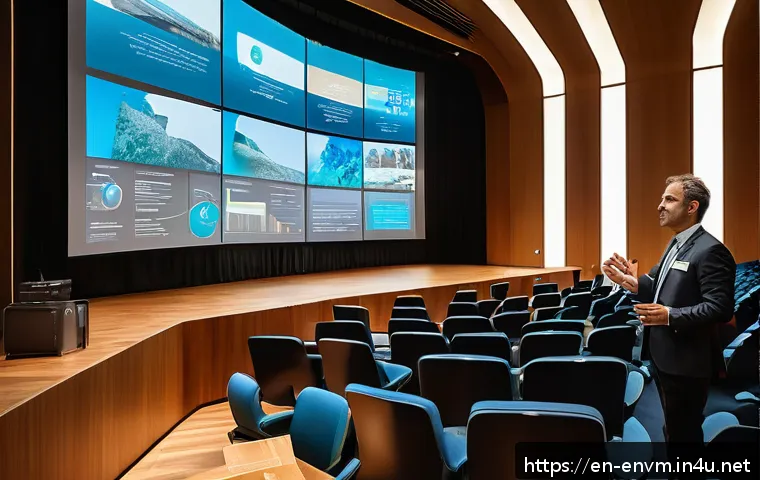
Sustainability extends far beyond your office walls, especially when it comes to supply chain management. I worked on initiatives to evaluate suppliers based on their environmental practices and encouraged adoption of greener logistics.
This led to reduced emissions and cost savings through improved efficiencies. Engaging suppliers as partners in your sustainability journey fosters transparency and shared accountability, which are critical for long-term success.
Aligning Sustainability with Corporate Strategy
The biggest wins happen when sustainability is embedded into the overall corporate strategy rather than treated as a side project. I participated in strategic planning sessions to ensure environmental goals were integrated with financial and operational objectives.
This alignment ensures sustainability isn’t sidelined during tough times but remains a core priority. It also sends a strong message internally and externally about your company’s commitment to responsible growth.
Enhancing Leadership Presence to Inspire and Motivate Teams
Leading by Example
In my experience, authentic leadership means walking the talk. I made conscious efforts to embody sustainability values in my daily behavior—whether it was reducing paper use, promoting recycling, or choosing greener travel options.
This consistency earns respect and encourages others to follow suit. People are more motivated when they see leaders genuinely committed rather than just delivering directives.
Developing Emotional Intelligence
Effective sustainability leadership requires empathy and emotional awareness. Understanding the challenges and motivations of different stakeholders helps tailor your approach and build stronger relationships.
I found that active listening and showing genuine concern during conversations made a big difference in gaining trust and cooperation. Emotional intelligence also helps manage resistance and navigate difficult conversations with patience and clarity.
Celebrating Wins and Learning from Setbacks
Recognizing achievements, no matter how small, fuels morale and reinforces a culture of progress. I regularly highlighted team successes in newsletters and meetings, which boosted enthusiasm.
At the same time, framing setbacks as learning opportunities rather than failures fosters resilience. This balanced mindset keeps teams motivated and focused on continuous improvement.
Navigating Organizational Politics to Secure Support and Resources
Identifying Key Influencers and Allies
Early in my role, mapping out who holds influence in various departments was crucial. Some champions might be obvious, like sustainability-minded executives, but others could be informal leaders or gatekeepers.
Building relationships with these individuals creates a network of support that can open doors and smooth implementation of initiatives. It’s about understanding the power dynamics and positioning yourself strategically.
Presenting Business Cases with ROI Focus
To gain buy-in and funding, I learned to frame sustainability projects in terms of return on investment. Whether it’s cost savings from energy efficiency or brand value from green certifications, quantifying benefits appeals to decision-makers.
Developing clear, data-backed proposals that address potential risks and rewards increases your chances of securing necessary resources.
Managing Resistance with Diplomacy and Persistence
Change often meets resistance, and sustainability is no exception. I encountered skepticism and pushback but found that approaching objections with empathy and facts helped ease concerns.
Sometimes, patience and persistence were required to win over doubters. Building credibility over time and demonstrating wins gradually shift perspectives, turning obstacles into opportunities.
| Strategy | Key Actions | Expected Outcomes |
|---|---|---|
| Data-Driven Initiatives | Track KPIs, benchmark against peers, use storytelling with data | Builds credibility, highlights progress, engages stakeholders |
| Cross-Department Collaboration | Form task forces, leverage technology, align shared goals | Enhances innovation, increases reach, fosters accountability |
| Strategic Communication | Tailor messages, use visuals, encourage dialogue | Improves engagement, builds trust, drives action |
| Integration into Business Processes | Embed sustainability in product, supply chain, strategy | Drives innovation, reduces impact, ensures commitment |
| Leadership Presence | Lead by example, develop emotional intelligence, celebrate wins | Inspires teams, builds resilience, strengthens culture |
| Organizational Politics | Identify influencers, present ROI cases, manage resistance | Secures resources, gains support, overcomes obstacles |
Closing Thoughts
Building credibility through data-driven sustainability efforts is essential for lasting impact. Combining clear metrics with engaging storytelling fosters trust and drives meaningful change. Collaboration across departments and strategic communication amplify your initiatives, while integrating sustainability into core business processes ensures long-term commitment. Leading with authenticity and navigating organizational dynamics pave the way for success.
Helpful Tips to Remember
1. Consistently track and report key performance indicators that align with your company’s sustainability goals to demonstrate measurable progress.
2. Foster collaboration by creating cross-functional teams and leveraging technology to maintain transparency and accountability.
3. Customize your communication to fit different audiences, using visuals and stories to make data relatable and engaging.
4. Embed sustainability into product development, supply chain management, and overall corporate strategy to drive innovation and efficiency.
5. Build leadership presence by modeling sustainable behaviors, practicing empathy, and celebrating achievements to motivate your teams.
Key Takeaways for Effective Sustainability Leadership
Successful sustainability leadership hinges on a balance of data-driven decision-making, strategic collaboration, and authentic communication. Prioritizing measurable outcomes alongside human-centered storytelling builds credibility and inspires action. Embedding sustainability into business processes rather than treating it as an add-on ensures its resilience. Moreover, strong leadership presence and navigating organizational politics with diplomacy secure the necessary support and resources to sustain momentum and achieve meaningful results.
Frequently Asked Questions (FAQ) 📖
Q: uestionsQ1: How can a sustainability manager build credibility and influence within a company?
A: Building credibility as a sustainability manager goes beyond technical expertise. It’s about demonstrating how sustainability initiatives align with the company’s core business goals and bottom line.
I found that starting with small, measurable projects that show clear ROI helps gain trust from leadership. Also, communicating in a way that resonates with different departments—whether it’s finance, marketing, or operations—makes your message more impactful.
Being transparent about challenges and celebrating wins together fosters authentic relationships, which naturally boosts your influence.
Q: What communication strategies work best for inspiring action on sustainability?
A: From my experience, storytelling is a powerful tool. People connect with stories that show real-world impact rather than just data and jargon. Sharing success stories from within your company or relatable examples from the industry helps make sustainability tangible.
Also, tailoring your message to your audience’s values and pain points increases engagement—whether that’s cost savings, risk reduction, or brand enhancement.
Regular updates and involving employees at all levels through interactive sessions or workshops keep the momentum alive and encourage collective ownership.
Q: How can sustainability leaders overcome resistance to change in organizations?
A: Resistance is natural, especially when sustainability requires shifting established routines or budgets. I learned that listening carefully to concerns and addressing them respectfully is crucial.
Instead of pushing changes top-down, involving stakeholders early in the process creates a sense of collaboration and reduces pushback. Highlighting quick wins and linking sustainability efforts to improved efficiency or competitive advantage helps turn skeptics into advocates.
Patience and persistence, combined with visible leadership support, gradually build a culture that embraces sustainable practices.