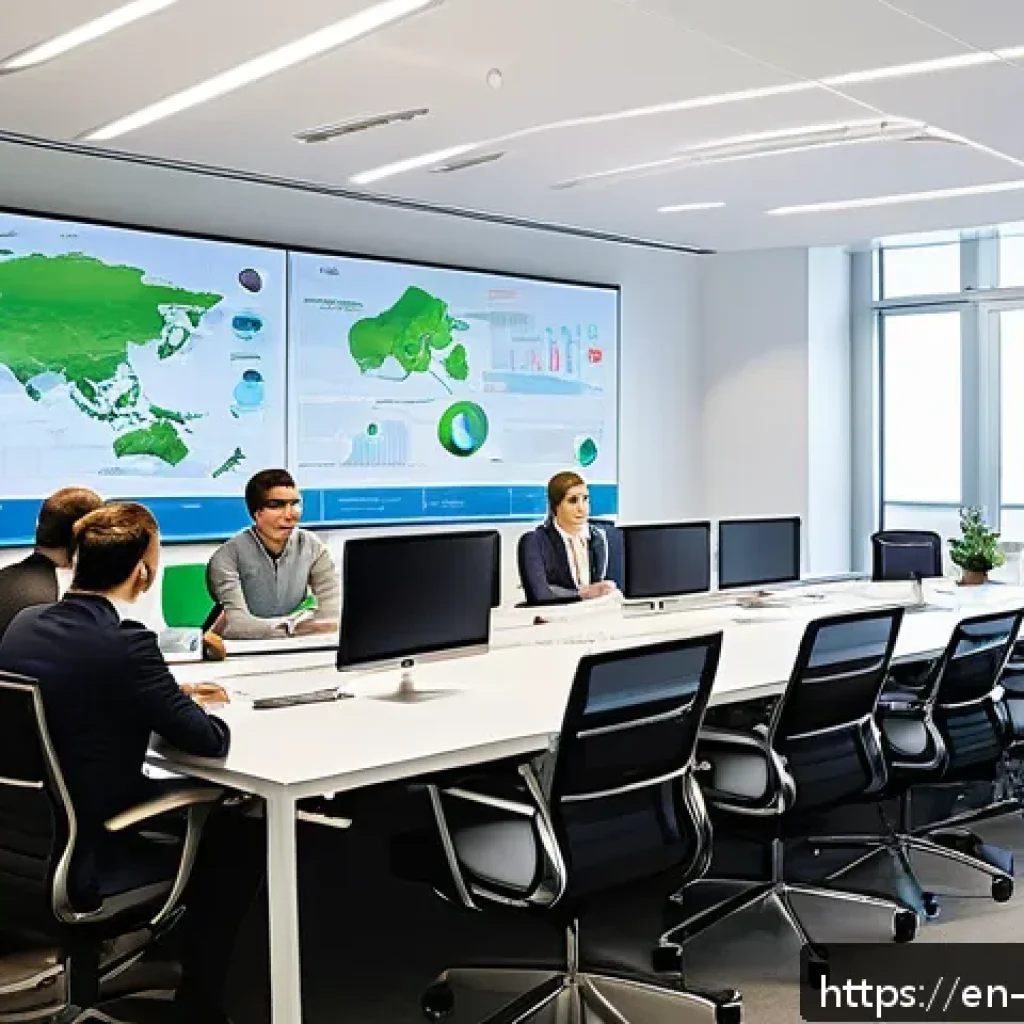
In today’s rapidly evolving business landscape, environmental managers are emerging as true catalysts for sustainable transformation. As companies face increasing pressure to reduce their carbon footprints and embrace eco-friendly practices, these professionals are steering impactful initiatives that go beyond compliance.

Their stories reveal how passion, strategy, and innovation combine to drive real change. If you’ve ever wondered how sustainability efforts translate into business success, you’re in the right place.
Let’s explore inspiring examples that show how environmental leadership is shaping a greener, more profitable future.
Driving Innovation Through Environmental Strategy
Integrating Sustainability into Core Business Goals
Environmental managers today are no longer sidelined players; they sit at the strategy table, influencing decisions that shape the company’s future. From my experience working alongside these professionals, the key difference lies in how sustainability is woven into the very fabric of business objectives rather than treated as an afterthought.
For instance, a tech firm I collaborated with shifted its R&D priorities to focus on energy-efficient product designs, which not only reduced emissions but opened new market opportunities.
This strategic integration often leads to cost savings, enhanced brand reputation, and increased investor confidence. It’s fascinating to see how a well-crafted environmental strategy becomes a catalyst for innovation, pushing companies to rethink processes, supply chains, and customer engagement in ways that deliver measurable impact.
Harnessing Data to Track and Improve Environmental Performance
One of the biggest game-changers I’ve noticed is the use of data analytics in environmental management. Instead of relying on guesswork or outdated reporting, managers now deploy real-time monitoring tools and predictive analytics to optimize resource usage.
For example, a manufacturing company introduced IoT sensors to monitor energy consumption and waste generation across its plants. This granular visibility allowed them to identify inefficiencies and implement targeted improvements, cutting energy costs by nearly 20% within a year.
Such data-driven approaches not only enhance transparency but also enable continuous improvement cycles, fostering a culture where sustainability becomes part of everyday decision-making rather than a compliance checkbox.
Collaboration as a Catalyst for Sustainable Solutions
Environmental managers often act as connectors, building bridges between departments, suppliers, and external stakeholders. From what I’ve observed, successful sustainability initiatives rarely happen in isolation—they require cross-functional teamwork and sometimes even partnerships beyond the company walls.
For instance, a retail chain I followed partnered with local farmers to reduce packaging waste and promote organic produce. This collaboration improved supply chain transparency and resonated strongly with eco-conscious consumers.
The ripple effect of such alliances often accelerates innovation and amplifies impact, proving that collective efforts can create far more powerful change than solo endeavors.
Empowering Teams to Own Sustainability
Training Programs That Inspire and Equip Employees
A sustainability strategy is only as effective as the people executing it, which is why environmental managers invest heavily in training and engagement.
I’ve seen firsthand how well-designed programs spark real enthusiasm and ownership among employees at all levels. For example, a global logistics company launched an interactive learning platform focused on carbon footprint reduction tactics tailored to each role.
Employees reported feeling more empowered and motivated, leading to a noticeable uptick in eco-friendly behaviors such as optimized route planning and reduced packaging use.
This approach transforms sustainability from a top-down mandate into a shared mission, creating a culture where environmental responsibility thrives naturally.
Recognizing and Rewarding Green Initiatives
Incentives and recognition play a crucial role in maintaining momentum for sustainability efforts. Based on my observations, companies that celebrate small wins and highlight green champions within their workforce tend to see sustained engagement.
One client implemented a “Green Innovator” award program that acknowledged employees who suggested or led projects reducing waste or energy consumption.
This not only boosted morale but encouraged healthy competition and idea-sharing across departments. Such positive reinforcement turns sustainability into a dynamic, evolving journey rather than a static set of rules, making it easier to embed eco-conscious thinking into daily routines.
Empowering Leadership at Every Level
Environmental managers know that sustainable transformation requires leadership beyond the executive suite. Encouraging middle managers and frontline supervisors to champion eco-friendly practices creates a multiplier effect.
In one organization I worked with, empowering team leads to set localized sustainability goals helped tailor initiatives to specific operational contexts, resulting in higher buy-in and more practical solutions.
This decentralized leadership fosters accountability and innovation, proving that when everyone feels responsible, sustainability becomes a shared value rather than a compliance burden.
Leveraging Technology to Accelerate Green Initiatives
Adopting Renewable Energy Solutions
From solar panels on rooftops to purchasing green energy credits, companies are increasingly investing in renewable energy to shrink their carbon footprints.
I recently consulted with a mid-sized manufacturing firm that installed solar arrays and combined them with energy storage systems, drastically reducing reliance on fossil fuels.
The upfront investment paid off within a few years through energy savings and government incentives, showcasing how renewable tech can be both an environmental and financial win.
Moreover, this transition boosts brand image by aligning with consumer values and demonstrating genuine commitment to climate action.
Implementing Circular Economy Practices
Technology also enables companies to shift from linear “take-make-dispose” models to circular systems emphasizing reuse, refurbishment, and recycling.
I’ve seen environmental managers champion initiatives where waste streams become raw materials for new products, reducing landfill contributions and cutting costs.
For example, an electronics company developed a program to recover precious metals from returned devices, which not only minimized environmental harm but also created a new revenue stream.
These circular approaches, powered by smart technologies, represent the future of sustainable business by closing resource loops and fostering resilience.
Automating Environmental Compliance and Reporting
Managing regulatory requirements can be overwhelming, but automation tools are making this easier and more accurate. Environmental managers I know have embraced software solutions that streamline data collection, audit trails, and report generation.
This reduces human error and frees up time to focus on strategic improvements rather than paperwork. For example, a chemical company implemented an automated compliance platform that alerted teams about upcoming deadlines and changes in regulations, preventing costly penalties.
Such technology adoption not only mitigates risks but also enhances transparency with stakeholders, building trust and credibility.
Measuring Impact to Drive Continuous Improvement
Setting Clear, Ambitious KPIs
A critical step I’ve witnessed is defining measurable sustainability goals that align with business priorities. Environmental managers collaborate closely with leadership to establish KPIs such as carbon intensity reduction, water usage efficiency, or zero waste targets.
These metrics create accountability and focus efforts, allowing progress to be tracked transparently. For example, a food manufacturer committed to cutting greenhouse gas emissions by 30% over five years and broke down this target into actionable milestones for each department.
This clarity helps maintain momentum and drives innovation as teams strive to meet or exceed their goals.
Using Benchmarking to Identify Best Practices
Benchmarking against industry peers and global standards provides valuable insights for improvement. I recall working with a company that joined a sustainability consortium where members shared data and case studies.
This exchange highlighted gaps and opportunities, inspiring new initiatives like water recycling and supplier engagement programs. Benchmarking fosters a learning mindset, encouraging companies to adopt proven strategies and avoid common pitfalls, ultimately accelerating their sustainability journey.
Communicating Progress to Build Stakeholder Trust
Transparent reporting is more than a regulatory requirement; it’s a powerful trust-building tool. Environmental managers often lead efforts to publish sustainability reports that showcase achievements, challenges, and future plans.
From my experience, companies that communicate authentically—acknowledging setbacks as well as successes—gain stronger support from customers, investors, and employees.
This openness invites collaboration and reinforces the company’s credibility as a responsible corporate citizen.

Balancing Profitability and Planetary Health
Identifying Cost Savings Through Eco-Friendly Practices
One of the most compelling arguments I’ve seen for sustainability is its ability to reduce operational costs. Energy efficiency upgrades, waste reduction, and sustainable sourcing often lead to significant savings.
For example, a logistics company I advised replaced its diesel fleet with electric vehicles and optimized delivery routes, cutting fuel expenses and maintenance costs simultaneously.
These financial benefits help dispel the myth that sustainability is an expensive luxury, showing instead that it can be a smart business strategy.
Unlocking New Revenue Streams with Green Products
Sustainability also opens doors to new markets and customer segments. Consumers increasingly prefer brands with strong environmental credentials, creating demand for eco-friendly products and services.
I’ve seen companies successfully launch green product lines—such as biodegradable packaging or energy-efficient appliances—that command premium prices and foster brand loyalty.
This market-driven approach demonstrates how environmental leadership can directly contribute to top-line growth.
Attracting Investment Through ESG Performance
Environmental, Social, and Governance (ESG) criteria are now key factors in investor decision-making. Companies with robust sustainability programs often enjoy better access to capital and favorable financing terms.
From my observations, environmental managers who can clearly demonstrate impact and risk mitigation help position their firms as attractive investments.
This financial validation further incentivizes ongoing commitment to sustainability, reinforcing a virtuous cycle between profitability and planetary stewardship.
Key Sustainability Initiatives and Their Business Benefits
| Initiative | Environmental Impact | Business Benefit |
|---|---|---|
| Renewable Energy Adoption | Reduces carbon emissions by replacing fossil fuels | Lower energy costs, tax incentives, enhanced brand image |
| Waste Reduction Programs | Minimizes landfill use and pollution | Cost savings on materials, compliance with regulations |
| Water Conservation Efforts | Preserves freshwater resources, reduces wastewater | Lower utility bills, risk mitigation in water-scarce regions |
| Circular Economy Practices | Promotes resource reuse and recycling | New revenue streams, reduced raw material dependency |
| Employee Engagement in Sustainability | Fosters a culture of environmental responsibility | Increased innovation, higher retention and morale |
Overcoming Challenges in Sustainability Implementation
Navigating Regulatory Complexity
Environmental managers often face a maze of local, national, and international regulations that can feel overwhelming. In my conversations with professionals in the field, the key to managing this complexity lies in proactive engagement with regulators and staying abreast of policy changes.
Establishing internal compliance teams equipped with the right tools ensures that companies not only meet but exceed requirements, avoiding costly fines and reputational damage.
This proactive stance transforms compliance from a hurdle into a competitive advantage.
Managing Costs Without Compromising Ambition
Balancing budget constraints with ambitious sustainability goals is a common struggle. Based on what I’ve learned, successful environmental managers prioritize initiatives with clear ROI and seek creative funding options like grants or partnerships.
They also phase projects to spread costs over time. For example, one company I worked with started with energy audits and low-cost efficiency upgrades before investing in larger renewable projects.
This pragmatic approach helps maintain momentum without sacrificing long-term vision.
Driving Cultural Change in Established Organizations
Introducing sustainability into companies with entrenched habits can be challenging. From my experience, the secret lies in storytelling and visible leadership support.
Sharing success stories that highlight tangible benefits helps break down resistance. Additionally, engaging employees through workshops and pilot projects builds grassroots enthusiasm.
When people see sustainability as relevant and achievable, they become active participants rather than passive observers, accelerating cultural transformation.
Future Trends Shaping Environmental Leadership
Embracing Climate Resilience and Adaptation
As climate impacts intensify, environmental managers are expanding their focus beyond mitigation to include resilience planning. This means preparing operations and supply chains to withstand extreme weather and resource scarcity.
I’ve seen companies develop scenario analyses and invest in adaptive infrastructure, turning risks into opportunities for innovation. This forward-looking mindset ensures businesses can thrive amid uncertainty while protecting communities and ecosystems.
Leveraging Artificial Intelligence for Sustainability
AI is emerging as a powerful tool for optimizing environmental performance. From predictive maintenance that reduces waste to smart grids balancing renewable energy flows, AI-driven solutions enhance efficiency and decision-making.
Having observed early adopters, it’s clear that integrating AI requires collaboration between environmental experts and data scientists. When done right, this synergy accelerates progress and uncovers insights that were previously out of reach.
Strengthening Stakeholder Engagement and Transparency
Looking ahead, companies are placing greater emphasis on involving stakeholders—customers, investors, communities—in sustainability dialogues. Environmental managers are leading efforts to create interactive platforms and real-time reporting dashboards that foster trust and accountability.
This openness not only builds stronger relationships but also invites diverse perspectives that enrich sustainability strategies, making them more robust and inclusive.
Conclusion
Driving innovation through environmental strategy is no longer optional but essential for modern businesses. By embedding sustainability into core goals, leveraging technology, and fostering collaborative cultures, companies can achieve both environmental impact and financial success. The journey demands continuous learning, transparent communication, and empowered leadership at every level. Ultimately, a strong environmental strategy propels organizations toward resilience and long-term growth in a rapidly evolving world.
Useful Information to Know
1. Sustainability integration boosts innovation by aligning environmental goals with business priorities, creating new market opportunities.
2. Data analytics and IoT technologies enable real-time monitoring, helping companies reduce waste and optimize resource use effectively.
3. Collaborative partnerships across departments and with external stakeholders amplify impact and accelerate sustainable solutions.
4. Employee training and recognition programs foster a culture of ownership, motivating eco-friendly behaviors throughout the organization.
5. Clear KPIs and transparent reporting build accountability and trust among customers, investors, and employees alike.
Key Takeaways
Successful environmental strategies require proactive leadership that integrates sustainability into every aspect of the business, supported by data-driven decision-making and inclusive collaboration. Leveraging technology such as renewable energy and automation enhances efficiency and compliance while unlocking cost savings and new revenue streams. Overcoming challenges involves balancing ambition with practicality, fostering cultural change, and maintaining transparency. Ultimately, environmental leadership that embraces innovation, resilience, and stakeholder engagement sets the foundation for sustainable growth and competitive advantage.
Frequently Asked Questions (FAQ) 📖
Q: How do environmental managers contribute to a company’s profitability while promoting sustainability?
A: Environmental managers play a crucial role in aligning sustainability with business goals. By identifying energy efficiencies, waste reduction opportunities, and sustainable sourcing, they help lower operational costs.
More importantly, their initiatives often enhance brand reputation and open doors to eco-conscious markets, driving increased sales and customer loyalty.
From my experience, companies that integrate environmental strategies tend to outperform competitors because they attract investors and consumers who prioritize responsible practices.
Q: What challenges do environmental managers typically face when implementing green initiatives in businesses?
A: One of the biggest challenges is overcoming resistance to change within the organization. Employees and leadership might be hesitant due to perceived costs or disruption to existing processes.
Additionally, measuring the impact of sustainability efforts can be complex, requiring robust data and clear metrics. I’ve seen that successful environmental managers address these hurdles by communicating the long-term benefits, engaging stakeholders early, and demonstrating quick wins that build momentum for larger projects.
Q: Can small and medium-sized businesses realistically benefit from having an environmental manager?
A: Absolutely. While large corporations often have dedicated sustainability teams, SMEs can gain significant advantages by appointing an environmental manager or consultant, even on a part-time basis.
These professionals help tailor eco-friendly strategies that fit the company’s scale and budget, such as reducing energy bills or minimizing waste. From what I’ve observed, smaller businesses that embrace sustainability often see improved operational efficiency and enhanced community goodwill, which can be critical for growth and differentiation in competitive markets.