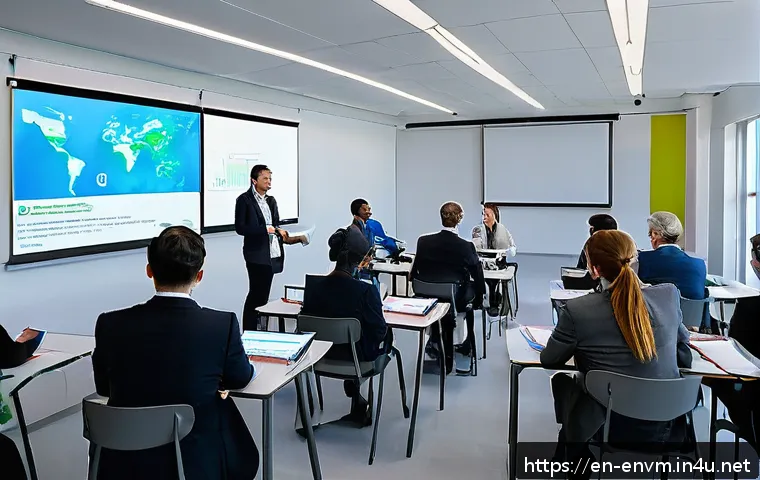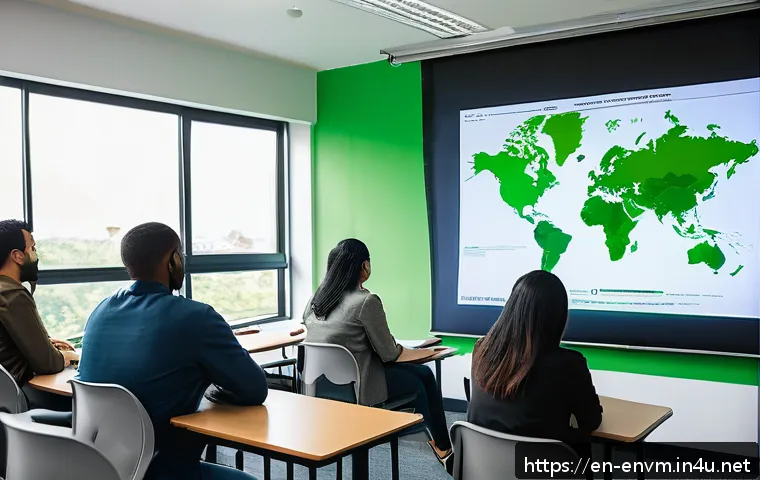
In today’s fast-evolving world, mastering environmental management is more crucial than ever, especially with growing global sustainability efforts and stricter regulations.
Whether you’re preparing for a certification or aiming to deepen your knowledge, having the right study tools can make all the difference. I’ve gathered some of the best free resources that helped me boost my understanding and confidence before the exam.
These materials not only cover key concepts but also offer practical insights that you won’t want to miss. Stick around, and you’ll find everything you need to unlock your full potential and ace your environmental management exam.
Let’s dive in!
Essential Concepts for Environmental Management Exams
Understanding Environmental Policies and Regulations
Grasping the framework of environmental policies is a cornerstone for any exam candidate. When I first tackled this topic, I found it helpful to break down complex regulations into manageable chunks.
Focus on key legislation like the Clean Air Act, Clean Water Act, and international agreements such as the Paris Agreement. Don’t just memorize names—try to understand the purpose behind each policy and how they impact business operations and environmental practices.
Real-world examples, like how companies adapt to emission limits, can make these concepts stick better than dry textbook definitions.
Core Principles of Sustainable Development
Sustainable development is more than a buzzword; it’s the backbone of modern environmental management. I recommend exploring the three pillars: economic growth, social inclusion, and environmental protection.
When you study, picture scenarios where these pillars might conflict—like balancing economic growth with resource conservation. This mental exercise helps deepen your understanding and prepares you for exam questions that test your critical thinking rather than rote knowledge.
Environmental Impact Assessment Techniques
Knowing how to conduct or evaluate an environmental impact assessment (EIA) is often a practical requirement in exams. I personally found flowcharts and step-by-step guides invaluable.
Start by mastering the stages—screening, scoping, impact analysis, mitigation, and monitoring. Try applying these steps to a hypothetical project, such as constructing a factory near a water source.
This approach makes the process tangible and easier to recall during the test.
Leveraging Online Platforms for Exam Preparation
Interactive Learning Through Webinars and Videos
Webinars and video tutorials bring environmental management concepts to life in ways static materials often can’t. I’ve attended several free sessions where experts break down complex topics into digestible parts, often including Q&A segments that clarify common doubts.
Platforms like YouTube and specialized environmental education sites offer a treasure trove of up-to-date content. Watching professionals explain real-life case studies gave me insights that books alone couldn’t provide.
Utilizing Free Practice Exams and Quizzes
Practice tests are a game-changer when prepping for any certification. They help identify weak spots and get you comfortable with the exam format. I made it a habit to take timed quizzes regularly, simulating the pressure of the actual test.
Many websites offer free question banks tailored to environmental management certifications. By reviewing explanations for each answer, I could reinforce concepts and avoid repeating mistakes.
Engaging in Online Study Groups and Forums
Sometimes, the best way to learn is by discussing with peers. Joining online forums or study groups focused on environmental management exams created a support network for me.
We exchanged tips, shared resource links, and solved practice questions together. This interactive environment not only boosted my confidence but also exposed me to different perspectives and problem-solving methods I hadn’t considered before.
Key Reference Materials and How to Use Them Effectively
Government and NGO Publications
Official reports and guidelines published by government agencies or NGOs often contain the most authoritative and current information. When I prepared, I downloaded relevant PDFs and highlighted important sections for quick review.
These documents often include case studies and statistics that can enrich your understanding and provide evidence-based answers during exams.
Textbooks and Academic Papers
While textbooks provide structured knowledge, academic papers offer in-depth analysis of specific topics. I recommend using textbooks as your primary study tool and supplementing them with recent journal articles for advanced insights.
This combination helped me stay grounded in fundamentals while also appreciating cutting-edge developments in environmental science.
Environmental Management Standards and Frameworks
Familiarity with standards like ISO 14001 can greatly enhance your exam performance. I found it useful to outline the requirements and principles of these frameworks in my own words.
Visual aids such as mind maps or charts helped me remember the relationships between different components of the standards and their practical applications.
Organizing Your Study Plan for Maximum Efficiency
Setting Realistic Goals and Milestones
A scattered approach to studying can lead to burnout or missed topics. I suggest dividing your preparation into weekly goals, focusing on one major topic at a time.
For example, dedicate one week to environmental laws, another to sustainability principles, and so forth. Tracking your progress with checklists or journals creates a sense of accomplishment that keeps motivation high.
Incorporating Active Learning Techniques
Passive reading isn’t enough for deep understanding. During my preparation, I used flashcards, self-explanation, and teaching concepts to a friend as active learning strategies.
These methods forced me to retrieve information from memory and articulate it clearly, which significantly improved retention and comprehension.
Balancing Study with Rest and Reflection
It’s tempting to cram, but quality beats quantity. I made sure to include short breaks and days off in my schedule, which helped me avoid fatigue. Reflection periods, where I reviewed what I’d learned and identified areas needing more attention, were crucial.
This balance ensured I stayed fresh and absorbed material more effectively.
Tools and Apps That Enhance Your Learning Experience
Note-Taking and Organization Apps
Digital note-taking apps like Evernote or OneNote helped me organize study materials and access them anywhere. Using tags and folders, I could quickly find summaries, definitions, or example questions.
The ability to insert images, links, and voice memos made my notes dynamic and personalized.
Flashcard and Quiz Apps
Apps such as Anki or Quizlet allowed me to create custom flashcards and use spaced repetition, which is proven to boost long-term memory. I uploaded key terms, definitions, and formulas, then reviewed them daily.
This approach made memorization less tedious and more effective.
Time Management and Focus Tools
Maintaining focus during long study sessions is challenging. Pomodoro timers and distraction blockers like Forest or Focus@Will helped me stay on track by breaking study time into manageable intervals and minimizing interruptions.
These tools were especially helpful when tackling dense topics requiring sustained concentration.
Common Pitfalls and How to Avoid Them
Overloading on Information Without Practice
One mistake I made early on was consuming too much theory without applying it. Simply reading about environmental policies or sustainability frameworks won’t guarantee exam success.
Incorporating practice questions, case studies, and scenario analyses are essential to cement your knowledge and improve problem-solving skills.
Ignoring Updates and Changes in Regulations
Environmental laws and standards evolve constantly. Staying updated is vital. I set Google Alerts and followed relevant environmental organizations on social media to catch the latest news and amendments.
Relying on outdated information can cost you valuable points on the exam.
Neglecting Exam Strategy and Time Management
Knowing the content isn’t enough if you can’t manage your time during the test. I practiced pacing myself and prioritizing questions based on difficulty and point value.
Developing a strategy for answering questions efficiently helped reduce exam-day anxiety and improved my overall performance.
Summary of Top Free Resources for Environmental Management Study
| Resource Type | Description | Advantages | Recommended Use |
|---|---|---|---|
| Government Websites | Official policies, regulations, and guidelines | Authoritative, up-to-date, comprehensive | Reference for legal frameworks and case studies |
| Educational YouTube Channels | Video tutorials and webinars by experts | Engaging, visual explanations, Q&A sessions | Clarify complex topics and reinforce learning |
| Practice Exam Platforms | Free quizzes and mock tests tailored to certifications | Simulates exam environment, identifies weak spots | Regular self-assessment and time management practice |
| Online Forums and Study Groups | Discussion boards and peer support networks | Collaborative learning, shared resources, motivation | Exchange ideas, solve doubts, stay motivated |
| Mobile Study Apps | Flashcards, note-taking, and focus tools | Convenient, customizable, supports active learning | Daily review and efficient organization of study materials |
Conclusion
Preparing for environmental management exams requires a blend of understanding key concepts, applying practical knowledge, and staying updated with current regulations. By using a structured study plan and leveraging diverse resources, you can approach your exam with confidence. Remember, active engagement and consistent practice are your best allies on this journey.
Helpful Tips
1. Break down complex regulations into smaller parts to improve comprehension and retention.
2. Use real-world examples to connect theory with practical applications for better recall.
3. Engage in active learning techniques like teaching concepts to someone else or using flashcards.
4. Take regular practice exams under timed conditions to build exam-day stamina and reduce anxiety.
5. Stay current with changes in environmental policies by following reputable sources and alerts.
Key Takeaways
Successful exam preparation hinges on balancing thorough content knowledge with practical application. Prioritize understanding over memorization, and develop a clear study schedule that includes time for rest and reflection. Utilize a variety of learning tools and community support to deepen your insight and maintain motivation. Lastly, keep updated with evolving environmental standards to ensure your knowledge remains relevant and accurate.
Frequently Asked Questions (FAQ) 📖
Q: uestionsQ1: What are some of the best free resources to study for environmental management exams?
A: There are several high-quality free resources available online that can help you prepare effectively. Websites like the Environmental Protection Agency (EPA) offer comprehensive guides and case studies.
Additionally, platforms such as Coursera and edX provide free courses on environmental management fundamentals. I personally found interactive quizzes and downloadable study notes from specialized forums very helpful to reinforce key concepts and practical applications.
Q: How can I balance studying theoretical knowledge and practical insights for environmental management?
A: Balancing theory and practice is essential for mastering environmental management. I recommend starting with foundational textbooks or online courses to build your theoretical understanding.
Then, complement that by reviewing real-world case studies, environmental reports, and regulatory frameworks. Joining online discussion groups or webinars can also expose you to current challenges and solutions in the field, making your learning more dynamic and relevant.
Q: How do these free resources improve confidence before taking the exam?
A: Using these free resources helped me gain clarity and reduce exam anxiety by breaking down complex topics into manageable parts. Many offer practice exams and scenario-based questions that simulate the real test environment, which was invaluable for me.
By repeatedly engaging with these materials, I could identify my weak areas and track my progress, which boosted my confidence significantly on exam day.